Introduction
Neglected Tropical Diseases (NTDs) remained one of the most persistent public health challenges in Nigeria, particularly among poor and rural populations. Among them, Soil-Transmitted Helminthiasis (STH) intestinal worms such as Ascaris lumbricoides, Trichuris trichiura, and hookworms affect millions of school-aged children, impairing nutrition, learning ability, and overall well-being. In Kaduna State, poor sanitation, open defecation, and limited access to clean water have contributed to the high prevalence of STH in some communities. According to the World Health Organization (WHO) and local NTD data, Kaduna remains among the states with significant worm infection rates, particularly in rural and peri-urban communities. In 2023, OneTribe Initiative, in partnership with Youth Impact (South Korea) and the Kaduna State Ministry of Health (SMoH), implemented the Healthyi Project, reaching over 4,171 beneficiaries across Kudan and Kauru LGAs through Mass Drug Administration (MDA) and health education campaigns.
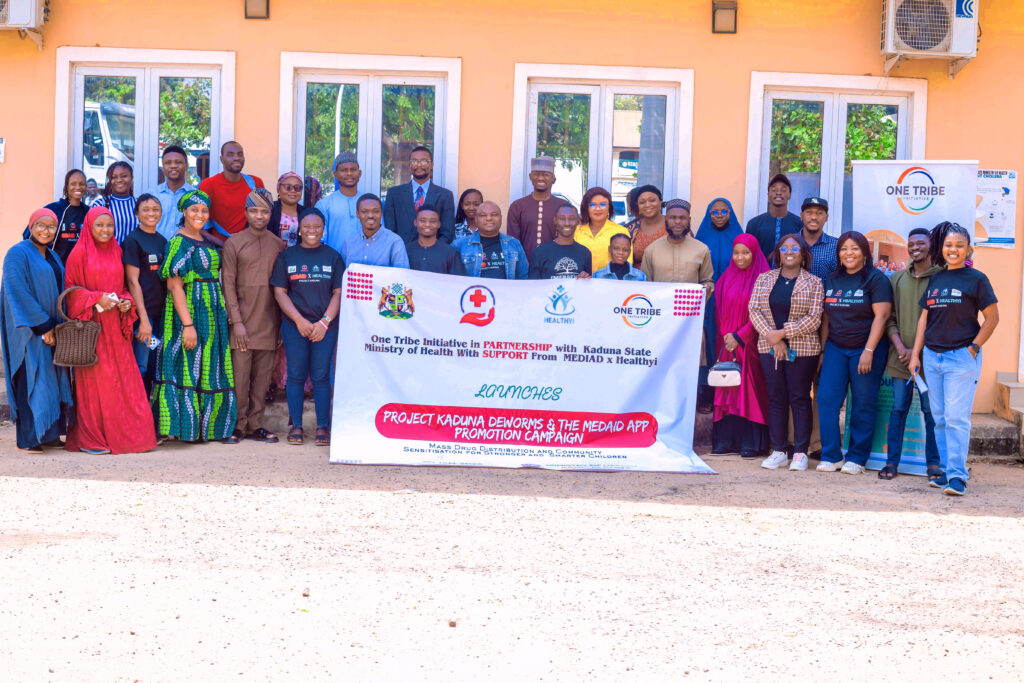
Building on this success, One Tribe Initiative has expanded its impact through Project Kaduna Deworms, with funding and digital innovation support from MEDAID. This project integrates school and community-based MDA, digital AI tools for awareness, and school-based sensitization to combat STH and improve the health and learning potential of children in Kaduna State.
Project Objectives
The Primary objective of this project was reduced the prevalence and transmission of Soil-Transmitted Helminths (STH) through community-based deworming, awareness creation, and digital health innovation.
Target Beneficiaries
The project targeted 6,000 school aged and pre-school children in ten (10) selected communities. The intervention was focused on two (2) Local Government Areas (LGAs) strategically selected to represent the Northern and Central parts of Kaduna State. Each LGA includes five (5) communities, totaling ten (10) communities. These communities were selected based on STH prevalence patterns, poor sanitation indicators, and absence of prior interventions under the Healthyi Project.
Project Approach
To carry out this project the team adopted a three-phase approach to ensure effective planning, delivery, and sustainability which are:
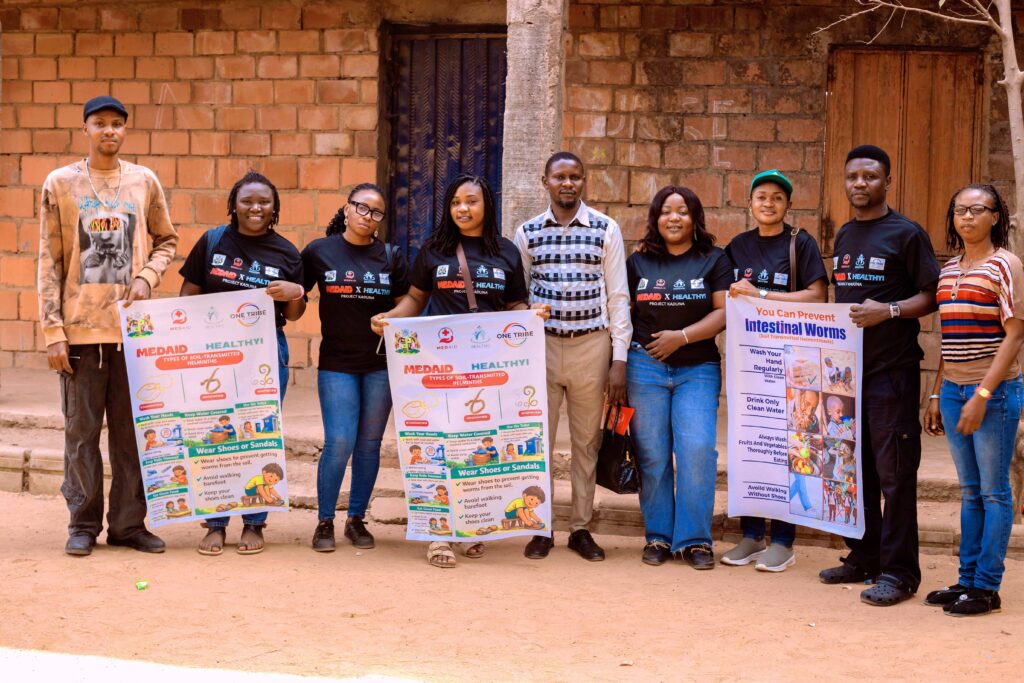
- Pre-Implementation Phase: Stakeholder engagement with SMoH, local PHCs, and traditional leaders, Validation of baseline data and identification of endemic communities, Recruitment and training of volunteers, PHC workers, and teachers and Procurement of Albendazole and Mebendazole.
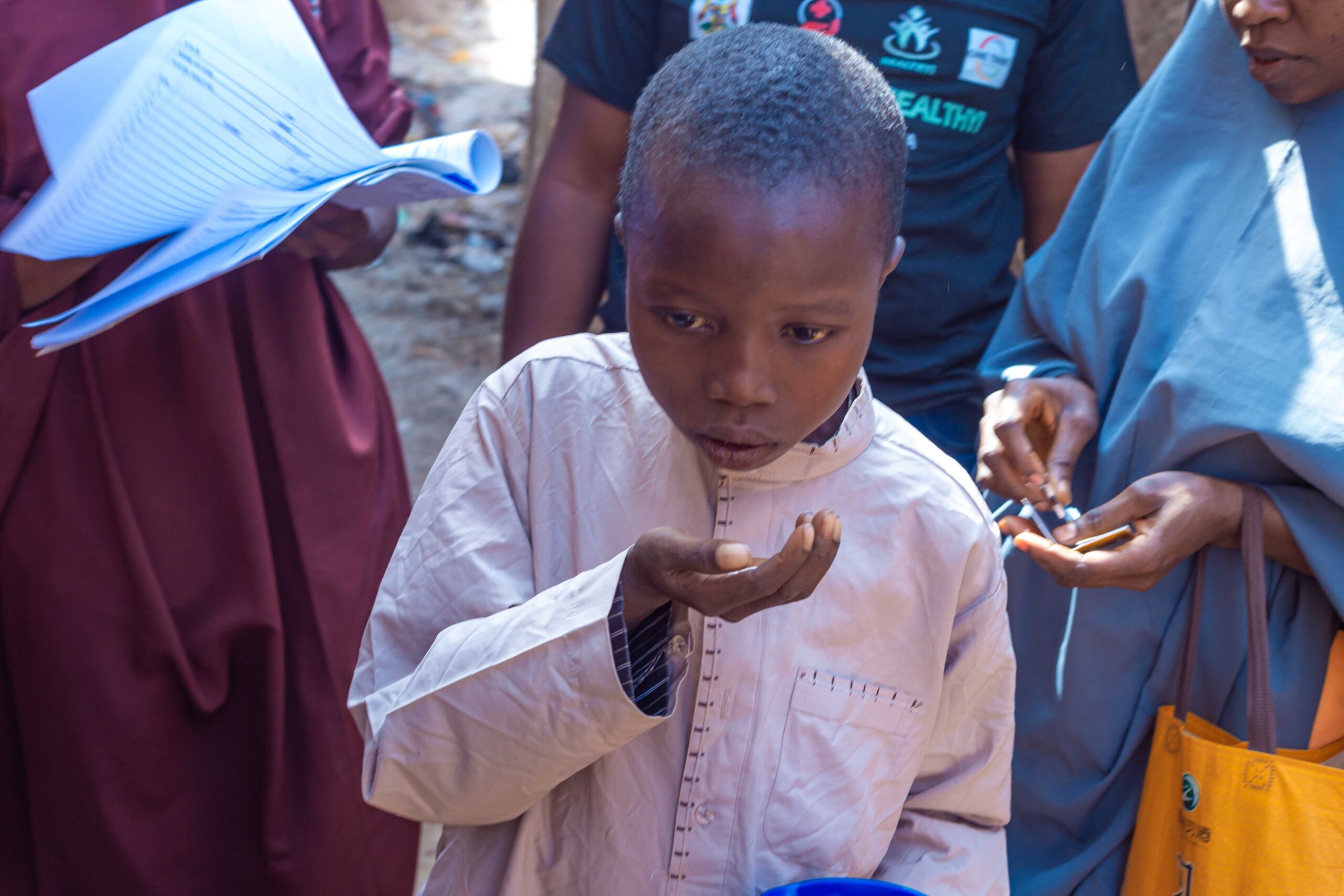
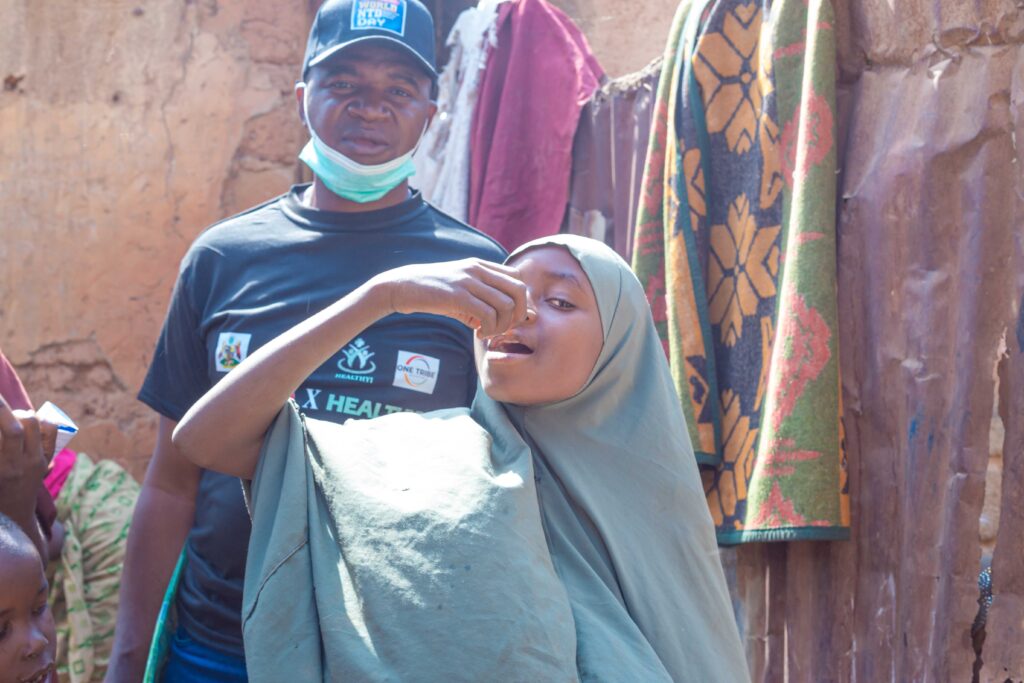
- Implementation Phase: Conducted Mass Drug Administration (MDA) in the selected communities.
- Post-Implementation Phase: Conducted end-line surveys to measure impact and coverage.
Project Outcome
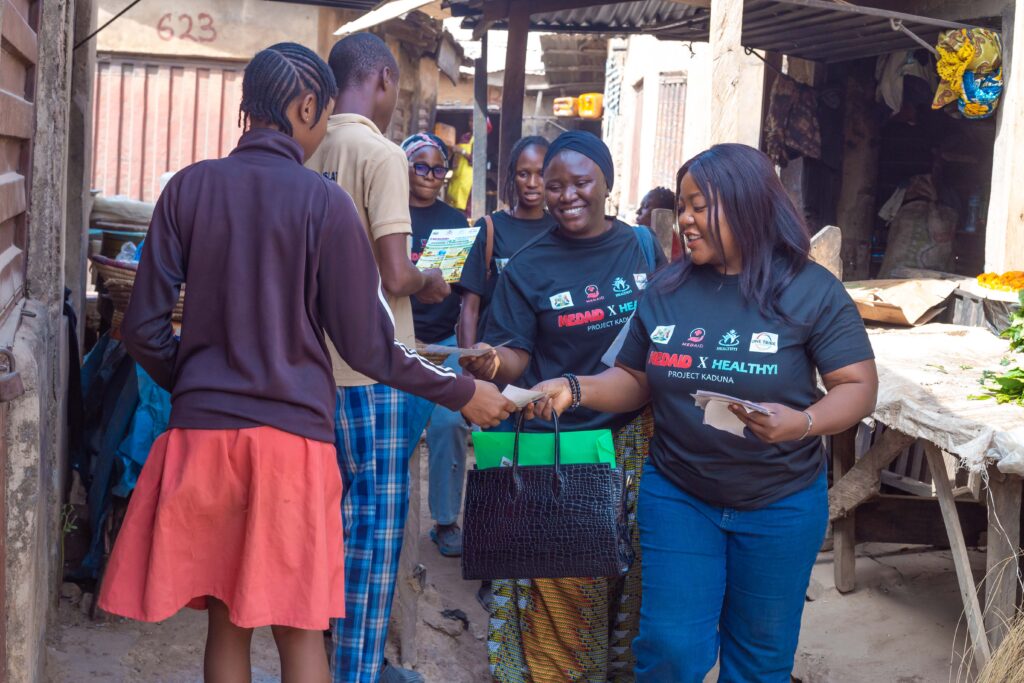
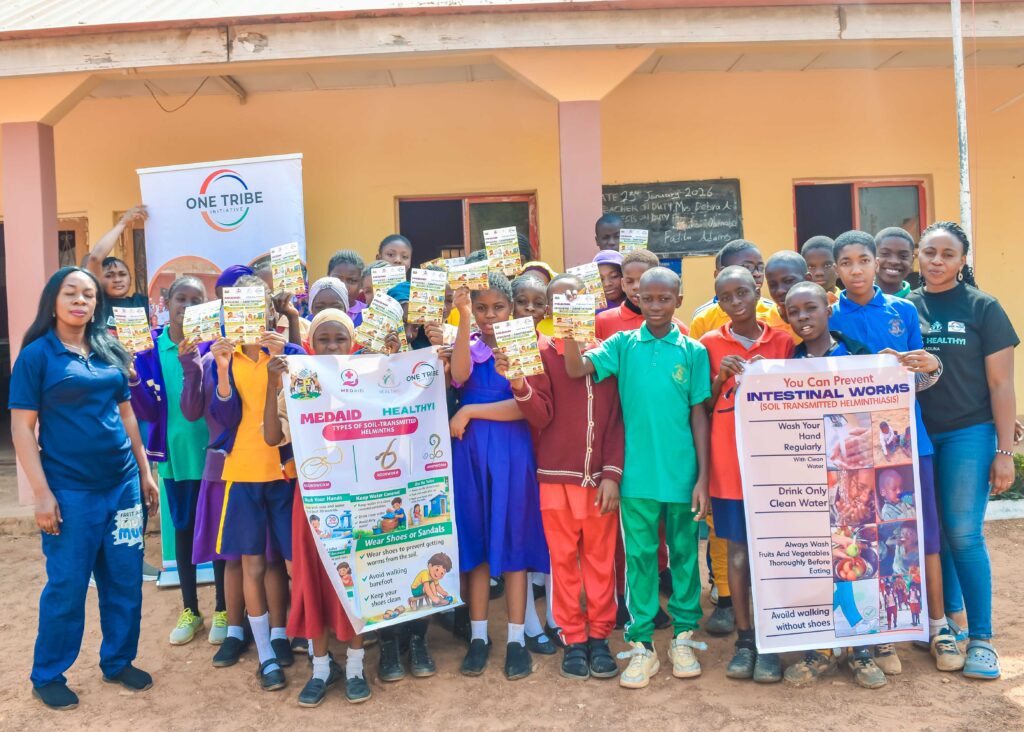
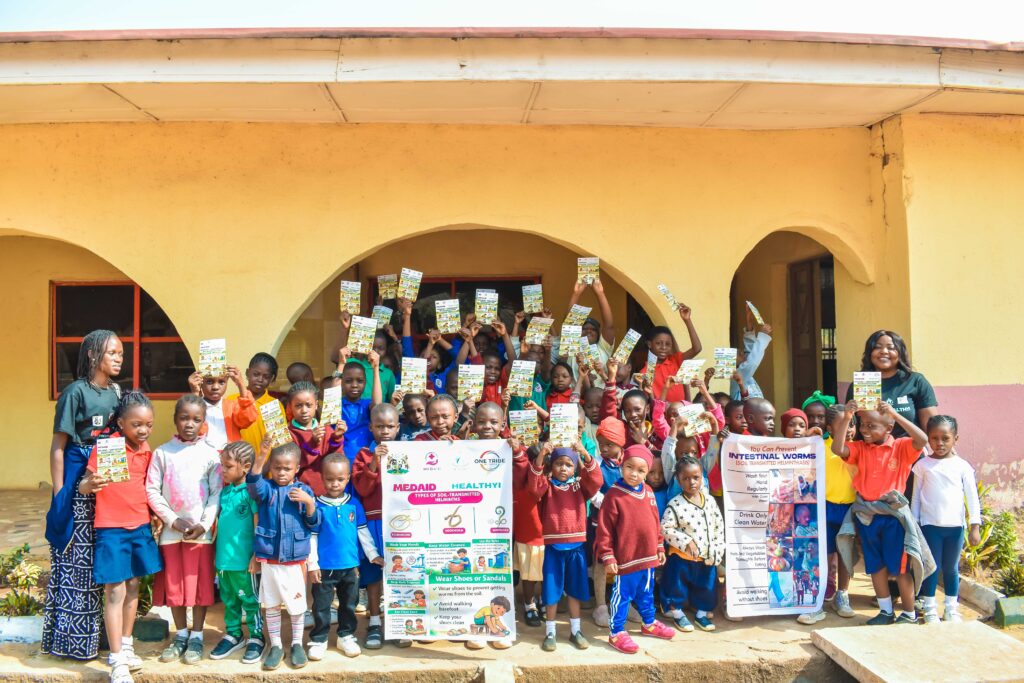
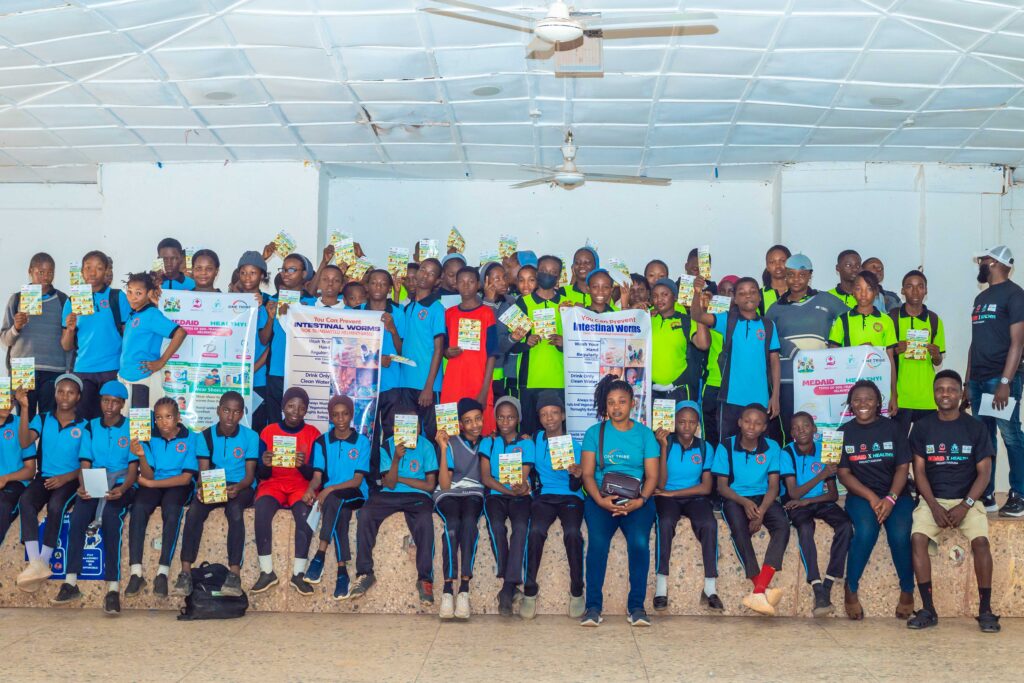
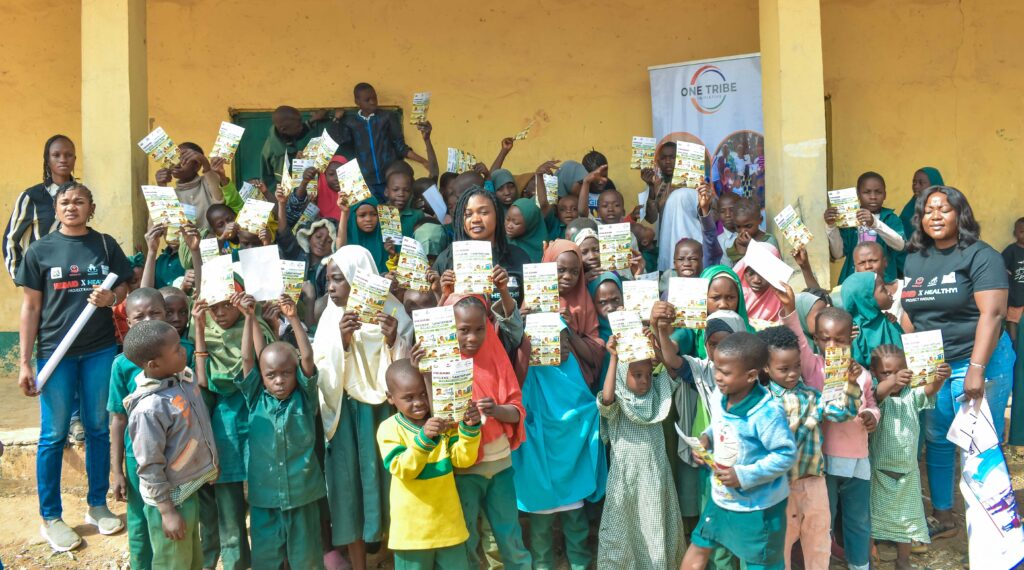
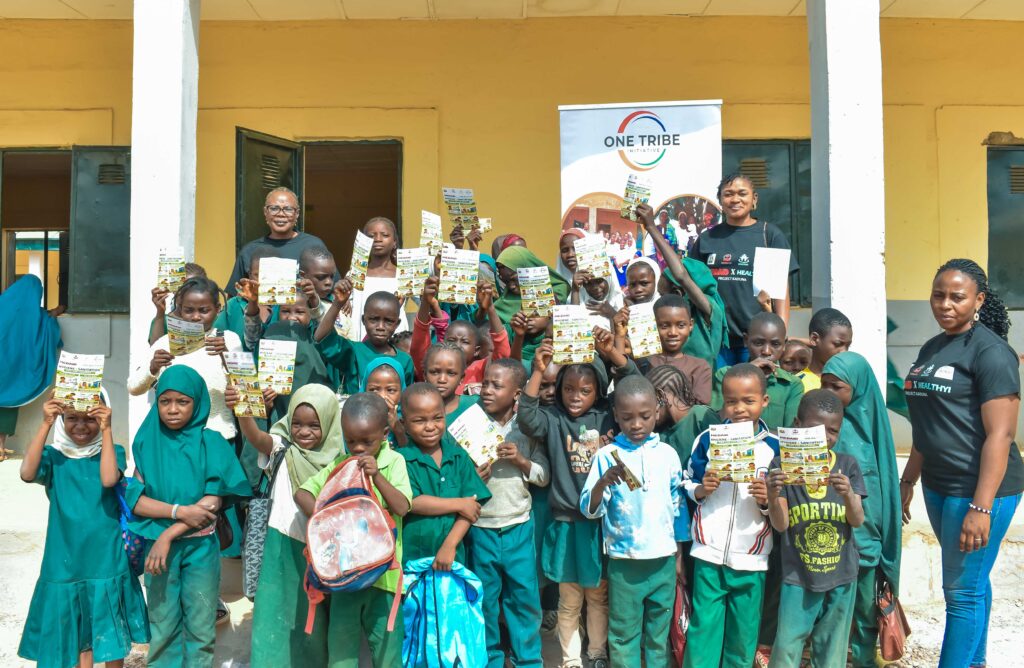
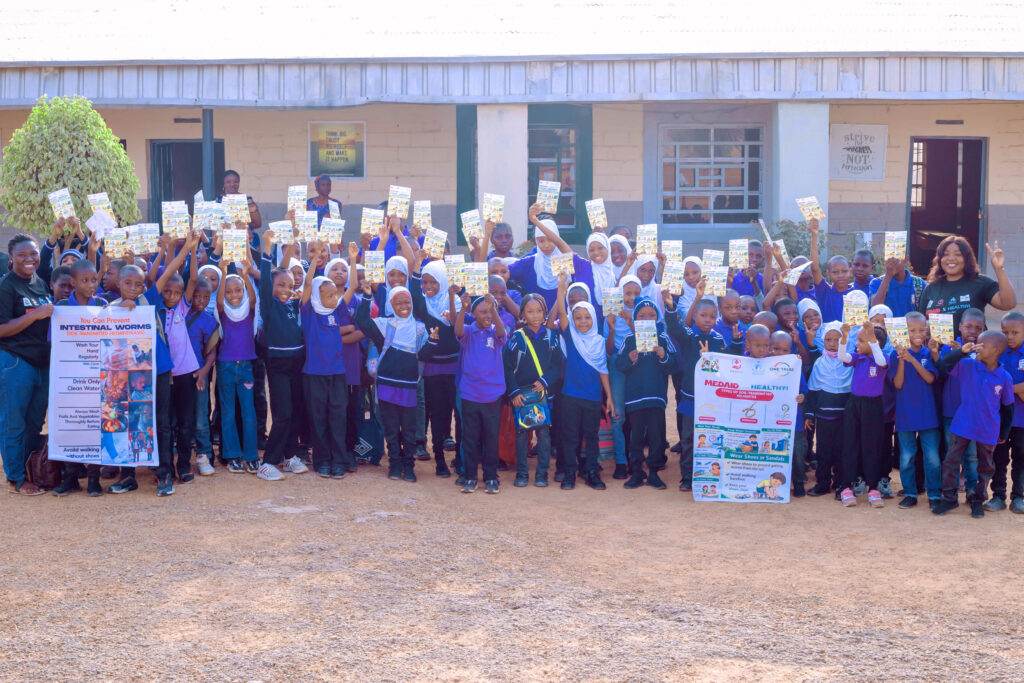
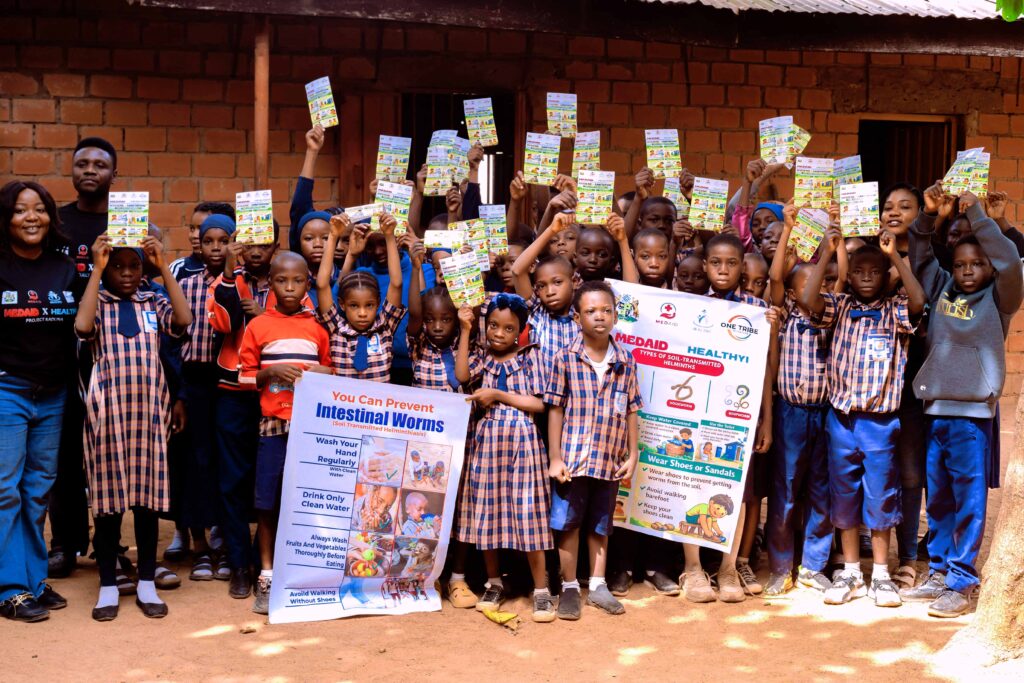
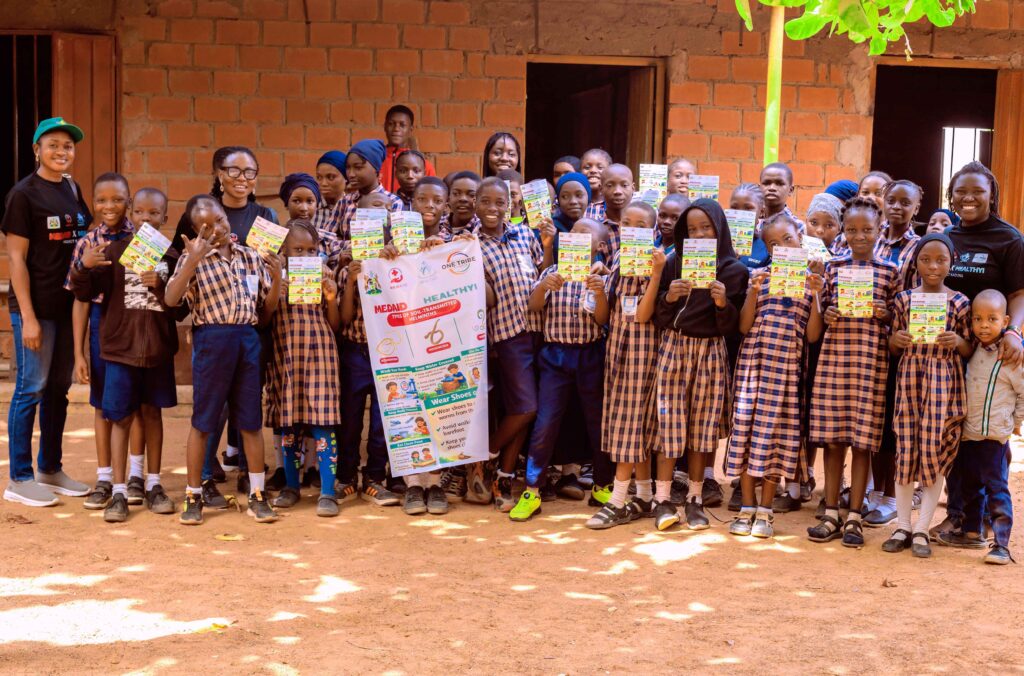
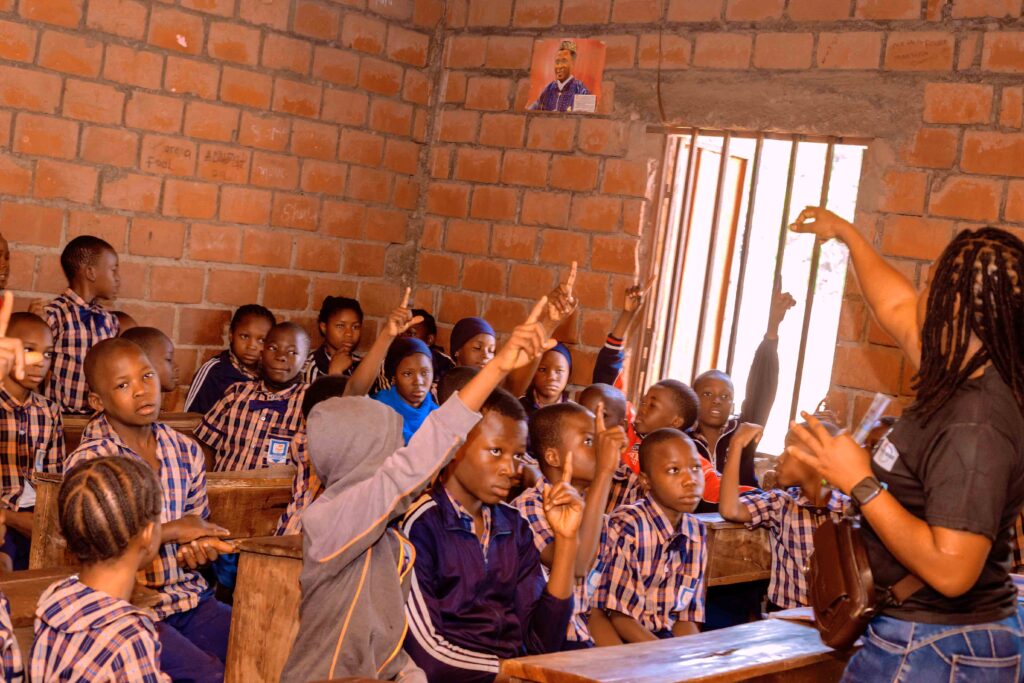
Through this project, we were able to established stakeholder’s collaboration, trained team of health workers and volunteers, 12 schools and 6 markets sensitized, increased awareness of STH prevention and digital health engagement and administer drugs to 6,000 beneficiaries.
Sustainability Plan
We advocated for the integration of STH prevention and hygiene education into school health clubs, retention and continuous training of PHC workers and volunteers for follow-up deworming campaigns.
Conclusion
Project Kaduna Deworms represented a collaborative and scalable solution to reducing the burden of Soil-Transmitted Helminthiasis (STH) in Kaduna State. Through a combined approach of Mass Drug Administration, community sensitization, and digital health engagement via the MEDAID App.